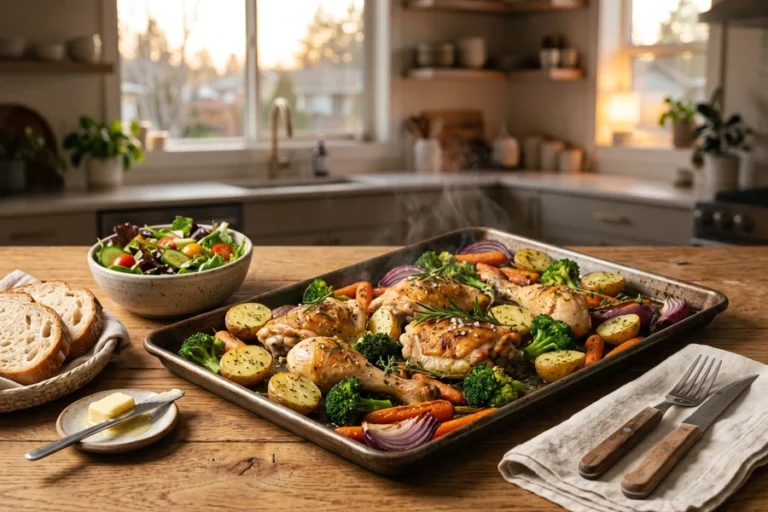
Most people who dream of an online food business stall at the exact same place. They picture hiring a designer, sourcing products, and shooting photos for weeks. That gap between the idea and a live storefront quietly kills the plan. It does not have to work that way anymore. A finished store can arrive as a single download, ready to publish. The branding is set, the pages are written, and the product catalog is built. You supply the ambition, while the assets supply everything else. This piece walks through how a ready-made bundle removes the slow, costly setup. You will see what comes inside, who it fits, and how quickly it moves. By the end, opening day feels like a decision rather than a distant goal.
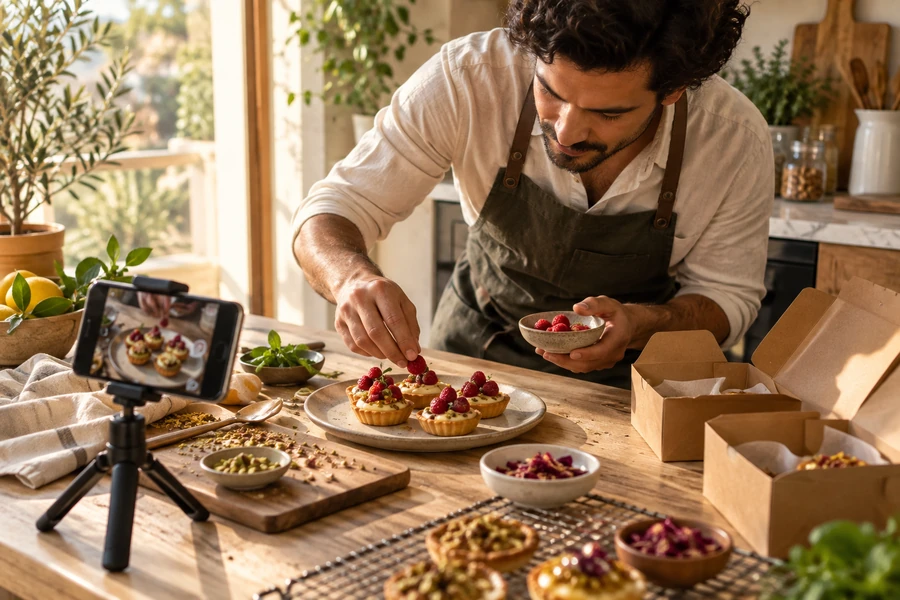
Why an Online Food Business Sells Faster Now
Appetite for home cooking content has never been higher, and buyers now shop for recipes online without hesitation. That shift rewards sellers who show up with a polished storefront instead of a rough one. Plenty of aspiring sellers browse endless food business ideas yet never launch, because the setup feels overwhelming. Speed matters, since the first store to look trustworthy usually wins the click. Clean design signals quality before a single product is even read. Shoppers judge credibility in seconds, and amateur pages lose them fast. When the brand, copy, and layout already work together, trust arrives instantly. That trust turns curious visitors into first-time buyers. Momentum builds the moment early sales confirm the concept. Starting strong beats starting perfect, and a finished store lets you start strong today.
What Comes Inside the Bundle
The value of a done-for-you store lives in the details, so it helps to see the full picture. Four assets arrive together and work as one coherent system. First comes a complete storefront design, with every page written and every layout finished. A distinct brand mark follows, formatted for the shop, packaging, and social profiles. The ready product catalog rounds it out, filled with digital products to sell from day one. High-resolution imagery supplies the food photography that ties the whole look together. Nothing here is a rough draft waiting for polish. Each piece is publish-ready the moment you download it. You may customize freely or launch exactly as delivered. That flexibility lets beginners and seasoned sellers move at their own pace.
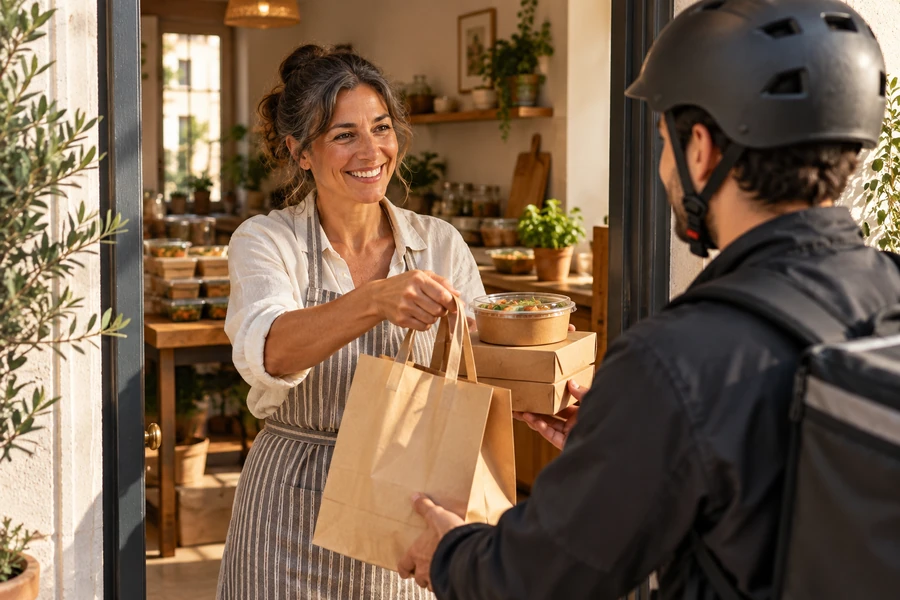
How the Online Food Business Store Is Built
Structure separates a store that sells from one that stalls, and this build gets the structure right. The homepage opens with hero recipes and headlines that speak to home cooks directly. Featured products sit exactly where attention naturally falls. Customer stories appear next, giving new visitors proof that real people enjoy the results. Product pages carry trust signals, clear buttons, and copy that answers questions before they arise. Anyone running a home cooking business knows how much these small placements shape sales. Every layout choice was made to guide a visitor toward checkout. The flow feels natural rather than pushy. Design and psychology work together across each page. That thoughtful construction is what turns browsers into buyers.
Online Food Business Owners Who Benefit Most
This bundle was not built for one narrow type of seller, which is part of its appeal. New entrepreneurs gain a shortcut past the intimidating setup phase. Busy parents can launch a side venture during nap times and quiet evenings. Experienced marketers use it as a fast foundation for a fresh niche. People searching how to sell recipes online finally get a store instead of another tutorial. Career changers test a food concept without risking savings on custom design. Anyone tired of endless planning can trade preparation for action. The low entry point removes the usual financial fear. Ownership stays with you, so one purchase can power several projects. That range of fit makes the pack unusually practical.
Turning Recipes Into Products That Sell
Recipes become revenue when they are packaged with intention rather than posted for free. A collection gains value once it solves a specific problem for a clear audience. Meal planners, seasonal guides, and hosting playbooks all carry real willingness to pay. Presentation matters as much as content, since polish signals quality. The image library gives every product a professional, appetizing look. Pricing feels fair when the design frames each offer with confidence. Bundling related items lifts the average order without extra effort. Repeat buyers appear once the first purchase delivers on its promise. Small upsells then compound into steady income over time. Thoughtful packaging is the bridge between a good recipe and a paying customer.
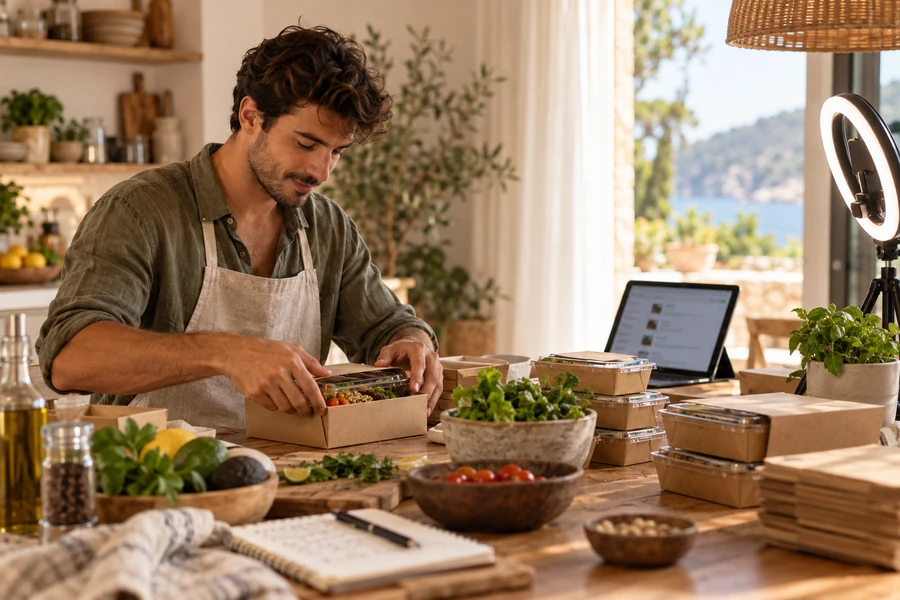
Your Online Food Business, Live and Selling
The final step is the simplest, because the hard work already sits inside the download. You publish the store on the platform you prefer and connect a payment option. The design drops cleanly onto Shopify, WooCommerce, Wix, or Squarespace. No coding is required, and any developer can wire it up within an afternoon. Once live, the storefront starts doing the selling for you. You focus on promotion while the pages handle first impressions. Early sales confirm the concept and fund your next move. Momentum grows each week as traffic finds a store that looks established. Confidence rises right alongside the numbers. Opening day, once a distant dream, becomes this weekend instead.